From Farm Girl to Seed Guy: The Difference Between Store-Bought and Heirloom
There is a specific smell to Indiana dirt in the springtime. It’s a deep, rich scent that tells you the earth is waking up and ready to work. As a young girl on our family farm, I didn’t know I was learning "agricultural science"—I just knew that if I didn’t help bust up those clods and get the hoeing done, the harvest wouldn’t be what we needed it to be.
Back then, we didn’t talk about "organic" or "nutritional density." We just called it dinner. But there was a secret in those rows that I didn’t fully appreciate until I became The Seed Guy.
The Flavor of a Memory
I remember the first time I tasted a store-bought tomato after moving away from the farm. It looked perfect—round, red, and shiny. But when I bit into it? Nothing. It was like eating a wet sponge.
That was my first lesson in the difference between a "commodity" and a "heritage." Most of the produce you see in the grocery store today has been bred for one thing: the ability to survive a 1,500-mile trip in the back of a refrigerated truck. They are bred for thick skins and "shelf-life," not for your health.
Why Heirloom Means Healthy
When we grow 100% Non-GMO, Open-Pollinated Heirlooms, we are growing plants that have been selected for generations because of their flavor and their vigor. Because these plants haven't been "tinkered with" in a lab to withstand chemicals or long shipping routes, they spend their energy doing what nature intended—pulling minerals and nutrients out of the soil and packing them into the fruit.
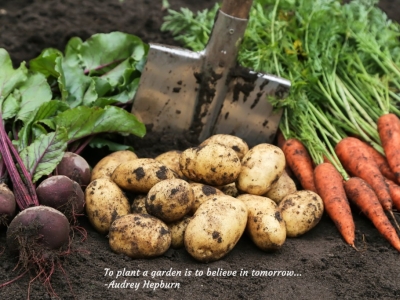
Scientific studies are finally catching up to what we Hoosier farm girls knew all along: heirloom varieties often contain significantly higher levels of Vitamin C, antioxidants, and essential minerals than their modern hybrid cousins. When you eat an heirloom carrot or a bowl of Ozark-grown peas, you aren't just eating calories; you are eating the same deep-earth nutrition that sustained our ancestors.
Dirt Therapy: A Return to the Roots
I started The Seed Guy because I wanted to bring that Indiana farm feeling—and that Indiana farm nutrition—to your backyard. Whether you are in the Oklahoma countryside, the hills of the Ozarks, or a small suburban plot, you deserve to know exactly what is in your food.
Gardening is more than just a way to fill the pantry; for me, it’s "Dirt Therapy." It’s a way to reconnect with the cycle of life that started long before big-box stores existed. It’s about taking a tiny, precious seed and turning it into a legacy of health for your family.
If you’re ready to taste the difference that heritage makes, I invite you to look through our collection. Let’s get back to the basics, together.
Share this content