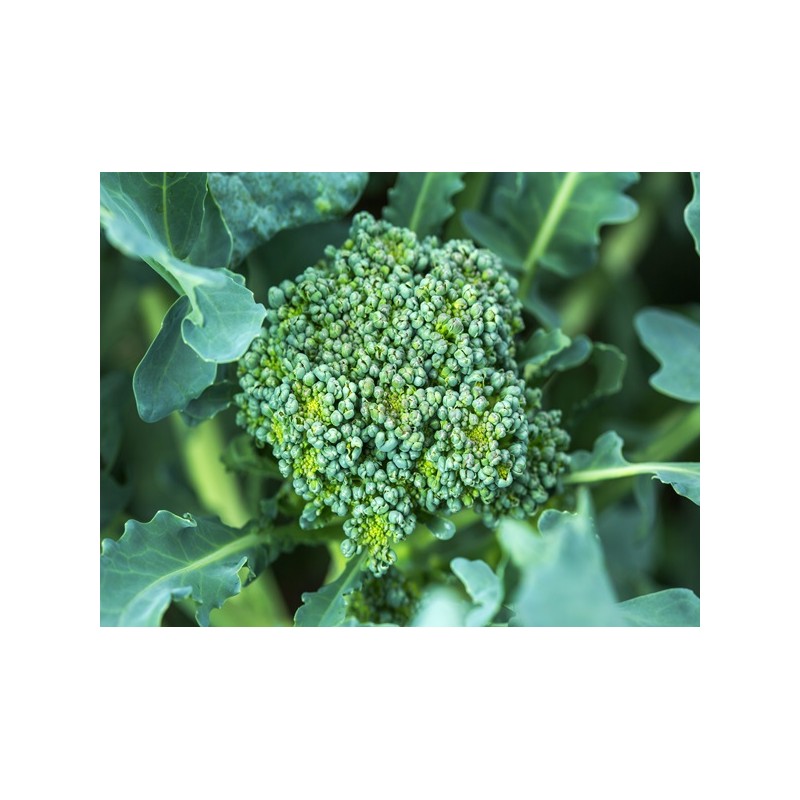
Broccoli Seeds - Calabrese
🌱 Approx. 400 Premium Seeds
(Non-GMO, Heirloom)
Calabrese Broccoli – The Traditional Italian Heirloom with Incredible Flavor and Extended Harvests
Brought to America by Italian immigrants in the late 1800s, the Calabrese Broccoli remains a favorite for home gardeners worldwide. Unlike many modern supermarket varieties, Calabrese is famous for its "cut-and-come-again" nature. At The Seed Guy, we highly recommend this variety because once you harvest the large, central, blue-green head, the plant doesn't stop—it continues to produce a bounty of smaller side shoots until the first hard frost.
The flavor is remarkably tender and sweet, far surpassing anything found in a grocery store. Any vegetable that can go from seed to table while providing both a stunning visual and incredible flavor is a gardener's dream, and Calabrese is a nutritional powerhouse that belongs in every cool-weather garden. Whether you are steaming it fresh, adding it to a stir-fry, or blanching it for the freezer, this heirloom provides a long and rewarding harvest season.
Why choose heirloom Calabrese Broccoli Seeds
✅ 100% Non-GMO
✅ Open-pollinated
✅ Classic Italian heirloom with superior flavor
✅ Produces a large central head followed by many side shoots
✅ High in Vitamins A, C, and K
✅ Excellent for fresh eating, freezing, and light steaming
✅ Frost hardy and thrives in cool weather
✅ Reliable producer for spring and fall gardens
| 🐜 GARDEN DEFENSE: Don't let the bugs beat you to the harvest! Learn to protect your crops without harsh chemicals in our Natural Pest Management guide. |