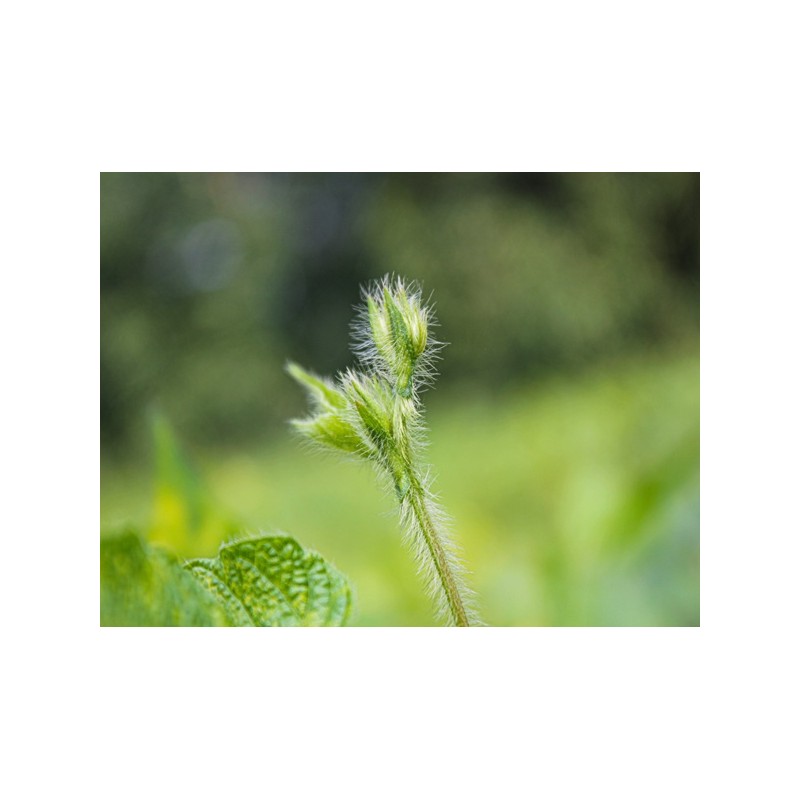
Bean Seeds - Black Turtle
🌱 Approx. 60 Premium Seeds
(Non-GMO, Heirloom)
Black Turtle Bean – The Versatile "Superfood" Staple for Every Self-Sufficient Garden
The Black Turtle Bean is a legendary heirloom, famous for its incredible "meaty" texture and rich, earthy flavor. A staple in Latin American cuisine and a favorite for hearty soups and stews, this bean is a must-have for any homesteader looking to grow their own protein. At The Seed Guy, we love this variety because it is a heavy producer on compact bush plants, making it an excellent choice for both large plots and smaller raised beds.
Not only are these beans delicious, but they are also a nutritional powerhouse, loaded with fiber, antioxidants, and protein. They are exceptionally easy to grow and even easier to store; simply let the pods dry on the vine for a long-lasting, shelf-stable food source that will keep your pantry stocked throughout the winter months. Robust, disease-resistant, and dependable, the Black Turtle Bean is an investment in your food security and your health.
Why choose heirloom Black Turtle Bean Seeds
✅ 100% Non-GMO
✅ Open-pollinated
✅ High protein and fiber content
✅ Compact bush habit (no poles needed)
✅ Excellent for long-term storage
✅ Rich, savory "meaty" flavor
✅ Heat and drought tolerant
✅ High-yielding and disease resistant