

keyboard_arrow_rightkeyboard_arrow_left
(Non-GMO, Heirloom)
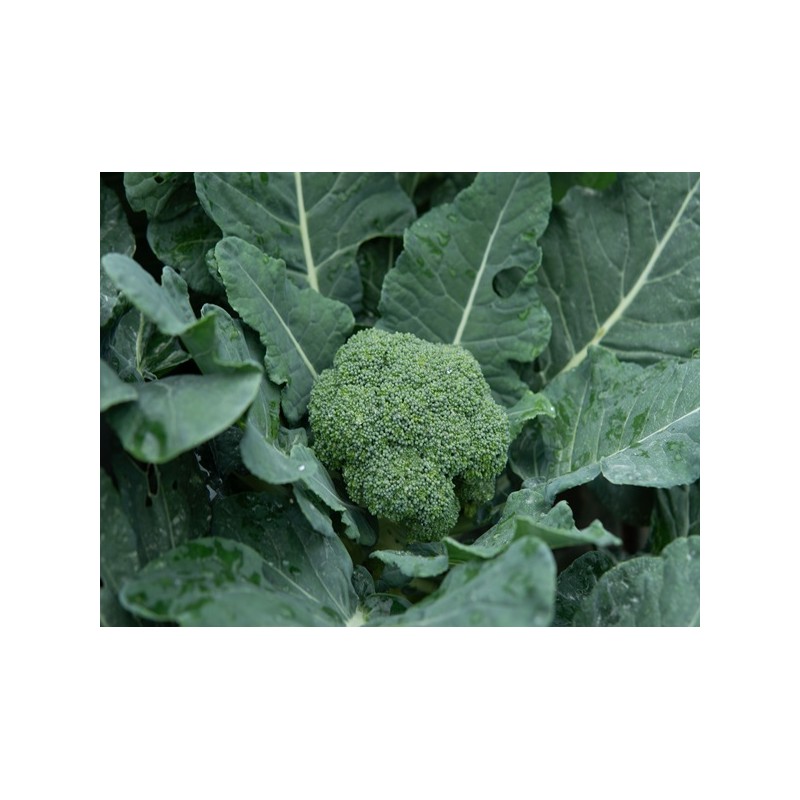
If you live in a climate with fluctuating temperatures or you want a broccoli that can handle a light frost with ease, Waltham 29 is the variety for you. Developed to thrive in the challenging conditions of the Pacific Northwest and the Northeast, this heirloom is famous for its compact growth and its ability to produce large, 4-to-6-inch blue-green heads. At The Seed Guy, we consider this a "must-have" for fall gardens because it actually improves in flavor as the temperatures drop, becoming sweeter and more tender after a touch of frost.
Waltham 29 is also prized for its production of side shoots after the main head has been harvested, giving you an extended window for fresh eating. Any vegetable that can go from seed to table while providing both a stunning visual and incredible flavor is a gardener's dream, and this broccoli delivers a consistent, high-quality crop even when the weather turns chilly. It is the perfect choice for freezing, as it retains its firm texture and vibrant color beautifully.
Why choose heirloom Waltham 29 Broccoli Seeds
✅ 100% Non-GMO
✅ Open-pollinated
✅ Specifically bred for superior cold tolerance
✅ Produces large central heads and tasty side shoots
✅ Flavor improves and sweetens after a light frost
✅ Compact plants are perfect for smaller garden spaces
✅ High in Vitamins A, C, and dietary fiber
✅ Excellent variety for both spring and fall crops
Quick Growing Specifications:
Hardiness Zone: 3-10
Days to Maturity: 70-85 Days
Planting Depth: 1/4" to 1/2" Deep
Plant Spacing: 18-24" Apart
Germination: 7-14 Days
Waltham 29 Broccoli Planting Instructions:
1. Timing: While it can be planted in the spring, Waltham 29 truly shines as a fall crop. Start seeds indoors 10-12 weeks before your first expected autumn frost.
2. Sowing: Sow seeds 1/4 to 1/2 inch deep. If starting indoors, transplant to the garden once the seedlings have at least two sets of true leaves.
3. Care: Broccoli needs plenty of nitrogen and consistent water. Mulch the base of the plants to keep the soil cool and moist, which prevents the heads from "bolting" or flowering too early.
4. Harvesting: Cut the main head when it is firm and the buds are tightly closed. Cut at an angle to allow water to run off the stem, which encourages the growth of side shoots for a secondary harvest.
5. Pests & Disease: Keep an eye out for cabbage worms and root maggots. Using a floating row cover can protect the young plants from pests while they are establishing.
Specific References
(Non-GMO, Heirloom)
If you live in a climate with fluctuating temperatures or you want a broccoli that can handle a light frost with ease, Waltham 29 is the variety for you. Developed to thrive in the challenging conditions of the Pacific Northwest and the Northeast, this heirloom is famous for its compact growth and its ability to produce large, 4-to-6-inch blue-green heads. At The Seed Guy, we consider this a "must-have" for fall gardens because it actually improves in flavor as the temperatures drop, becoming sweeter and more tender after a touch of frost.
Waltham 29 is also prized for its production of side shoots after the main head has been harvested, giving you an extended window for fresh eating. Any vegetable that can go from seed to table while providing both a stunning visual and incredible flavor is a gardener's dream, and this broccoli delivers a consistent, high-quality crop even when the weather turns chilly. It is the perfect choice for freezing, as it retains its firm texture and vibrant color beautifully.
Why choose heirloom Waltham 29 Broccoli Seeds
✅ 100% Non-GMO
✅ Open-pollinated
✅ Specifically bred for superior cold tolerance
✅ Produces large central heads and tasty side shoots
✅ Flavor improves and sweetens after a light frost
✅ Compact plants are perfect for smaller garden spaces
✅ High in Vitamins A, C, and dietary fiber
✅ Excellent variety for both spring and fall crops