

keyboard_arrow_rightkeyboard_arrow_left
(Non-GMO, Heirloom)
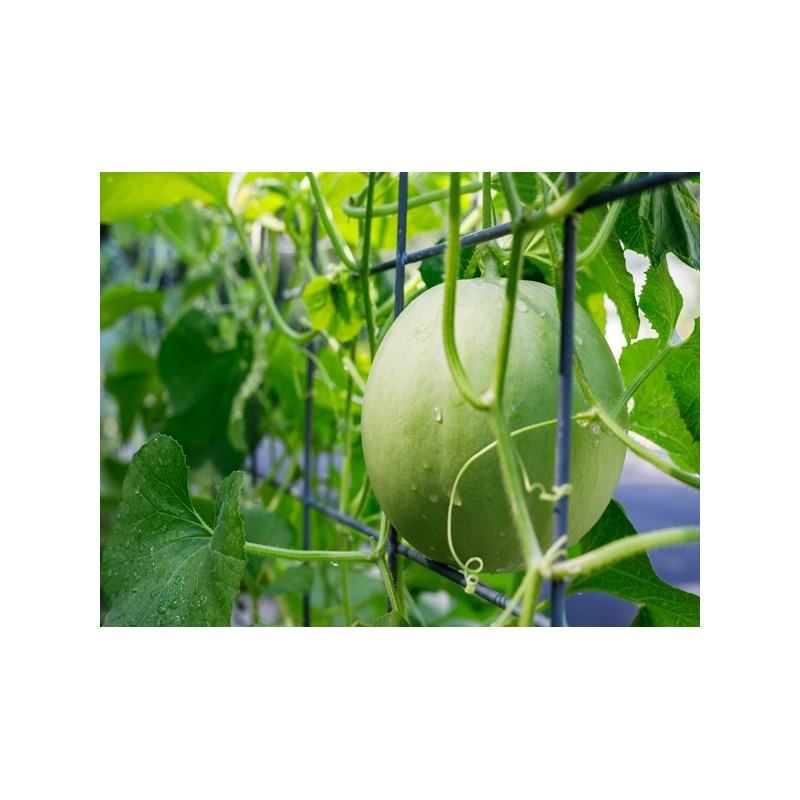
Shop the highest quality Honeydew Melon seeds for a refreshing summer harvest. When it comes to garden-fresh fruit, nothing beats the sophisticated, sugary-sweet flavor of a perfectly ripened Honeydew. Unlike the hard, bland versions often found in stores, our heirloom Green Flesh Honeydew is grown for its incredibly tender, lime-green meat and its signature "honey" aroma. At The Seed Guy, we recommend this variety because it is a consistent producer that thrives in the heat, delivering large, smooth-skinned melons that are packed with vitamins and refreshing juice.
In the garden, Honeydew is a vigorous vine that loves to soak up the sun. It is a fantastic companion plant for corn and marigolds, which help protect the ripening fruit. Because these melons have a relatively long shelf life after harvest, you can enjoy the fruits of your labor well into the late summer. Whether you are slicing them for a fresh fruit bowl or enjoying them right off the vine, these melons are a true garden treasure. At The Seed Guy, our seeds are tested for elite germination and high sugar content, ensuring every melon you grow is a "prize-winner" in flavor.
Why choose heirloom Honeydew Green Flesh Melon Seeds?
✅ 100% Non-GMO
✅ Open-pollinated
✅ Incredibly sweet, tender green flesh with a small seed cavity
✅ Smooth, creamy rind that resists cracking in the garden
✅ High in Vitamin C and potassium for a healthy summer snack
✅ Vigorous vines that produce multiple heavy fruits per plant
✅ Excellent storage life after harvest compared to other melons
✅ A timeless heirloom favorite for home gardeners and market growers
Quick Growing Specifications:
Hardiness Zone: 3-12
Days to Maturity: 80-100 Days
Planting Depth: 1/2" to 1" Deep
Plant Spacing: 12" Apart (on hills 3-4' apart)
Germination: 7-14 Days
Honeydew Melon Planting Instructions:
1. When to Plant: Melons are heat-lovers. Sow outdoors only after the soil has warmed to at least 70°F. In northern climates, start indoors 3-4 weeks before the last frost using peat pots to avoid root disturbance.
2. Preparation: Melons are "heavy feeders." Work in a generous amount of well-rotted manure or compost. They prefer a slightly acidic to neutral soil pH.
3. Sowing: Plant in "hills" (small mounds of soil). Place 4-6 seeds per hill, then thin to the 2 strongest plants once they have true leaves.
4. Care: Provide consistent water, especially while the fruit is developing. Avoid overhead watering to keep the leaves dry. To increase the sugar content, reduce watering slightly in the final week before harvest.
5. Pests and Diseases: Keep an eye out for Cucumber Beetles and Aphids. If you notice wilting leaves, check for Vine Borers. To prevent powdery mildew, ensure the plants have plenty of space for airflow and try to keep the vines from becoming too crowded.
Specific References
(Non-GMO, Heirloom)
Shop the highest quality Honeydew Melon seeds for a refreshing summer harvest. When it comes to garden-fresh fruit, nothing beats the sophisticated, sugary-sweet flavor of a perfectly ripened Honeydew. Unlike the hard, bland versions often found in stores, our heirloom Green Flesh Honeydew is grown for its incredibly tender, lime-green meat and its signature "honey" aroma. At The Seed Guy, we recommend this variety because it is a consistent producer that thrives in the heat, delivering large, smooth-skinned melons that are packed with vitamins and refreshing juice.
In the garden, Honeydew is a vigorous vine that loves to soak up the sun. It is a fantastic companion plant for corn and marigolds, which help protect the ripening fruit. Because these melons have a relatively long shelf life after harvest, you can enjoy the fruits of your labor well into the late summer. Whether you are slicing them for a fresh fruit bowl or enjoying them right off the vine, these melons are a true garden treasure. At The Seed Guy, our seeds are tested for elite germination and high sugar content, ensuring every melon you grow is a "prize-winner" in flavor.
Why choose heirloom Honeydew Green Flesh Melon Seeds?
✅ 100% Non-GMO
✅ Open-pollinated
✅ Incredibly sweet, tender green flesh with a small seed cavity
✅ Smooth, creamy rind that resists cracking in the garden
✅ High in Vitamin C and potassium for a healthy summer snack
✅ Vigorous vines that produce multiple heavy fruits per plant
✅ Excellent storage life after harvest compared to other melons
✅ A timeless heirloom favorite for home gardeners and market growers