keyboard_arrow_rightkeyboard_arrow_left
(Non-GMO, Heirloom)
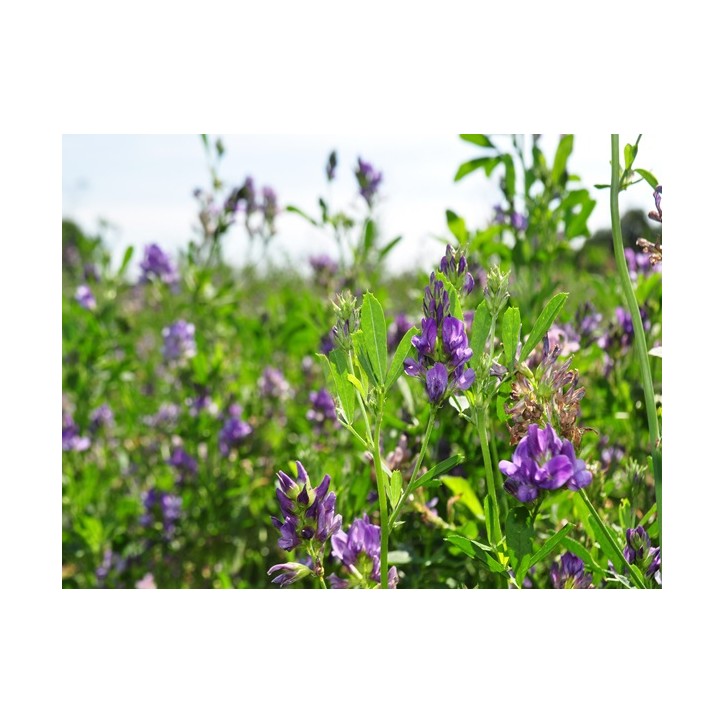
Alfalfa, often referred to as Lucerne, is one of the most versatile and valuable crops a homesteader can plant. At The Seed Guy, we offer this premium heirloom variety because it serves a dual purpose: it is the gold standard for high-protein livestock forage and a world-class soil builder. Because Alfalfa is a legume with an incredibly deep taproot system, it pulls minerals from deep within the earth while naturally "fixing" nitrogen back into your soil, acting as a living fertilizer for your future garden plots.
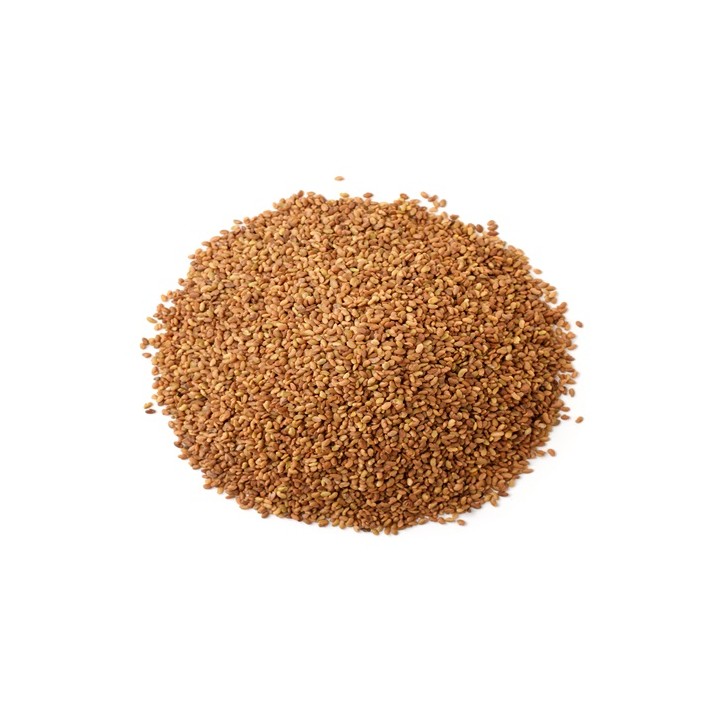
Beyond the field, Alfalfa is a favorite for the kitchen. These non-GMO seeds are perfect for growing crisp, nutrient-dense sprouts in just a few days, providing a year-round source of vitamins A, C, E, and K. Whether you are looking to improve your soil health, feed your animals the best hay possible, or add a crunch to your salads, our Alfalfa seeds are a permanent staple for any self-sufficient homestead.
Why choose heirloom Mary Washington Asparagus Seeds
✅ 100% Non-GMO
✅ Open-pollinated
✅ Deep taproot for drought resistance
✅ High protein content for livestock
✅ Natural nitrogen fixer for soil health
✅ Excellent for nutrient-dense sprouting
✅ Hardy perennial variety
✅ Adapts to a wide range of soil types
Quick Growing Specifications:
Hardiness Zone: 3-9
Days to Maturity: 60-70 Days (for forage)
Planting Depth: 1/4" Deep
Plant Spacing: Broadcast Sow
Germination: 7-10 Days
Alfalfa Planting Instructions:
1. Site Selection: Choose a location with full sun and well-draining soil. Alfalfa does not like "wet feet." Ensure your soil pH is neutral to slightly alkaline for the best results.
2. Sowing: For forage or cover cropping, broadcast the seeds evenly over a prepared seedbed. Lightly rake them into the soil, ensuring they are no deeper than 1/4 inch.
3. Water & Establishment: Keep the soil moist during the germination period. Once the plants reach 6-8 inches, their deep roots will make them remarkably drought-tolerant, requiring very little supplemental water.
4. Harvesting: If growing for hay, harvest just as the field begins to show its first purple blooms for the highest protein content. For soil building, tilling the crop back into the earth during the "green" phase will provide the maximum nitrogen boost for your next crop.
Specific References
(Non-GMO, Heirloom)
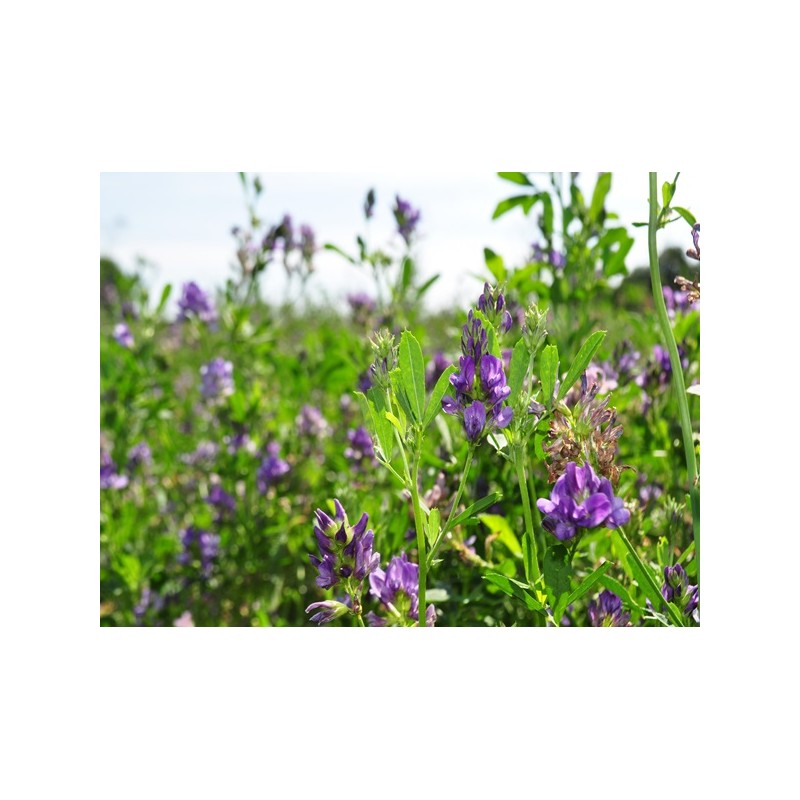
Alfalfa, often referred to as Lucerne, is one of the most versatile and valuable crops a homesteader can plant. At The Seed Guy, we offer this premium heirloom variety because it serves a dual purpose: it is the gold standard for high-protein livestock forage and a world-class soil builder. Because Alfalfa is a legume with an incredibly deep taproot system, it pulls minerals from deep within the earth while naturally "fixing" nitrogen back into your soil, acting as a living fertilizer for your future garden plots.
Beyond the field, Alfalfa is a favorite for the kitchen. These non-GMO seeds are perfect for growing crisp, nutrient-dense sprouts in just a few days, providing a year-round source of vitamins A, C, E, and K. Whether you are looking to improve your soil health, feed your animals the best hay possible, or add a crunch to your salads, our Alfalfa seeds are a permanent staple for any self-sufficient homestead.
Why choose heirloom Mary Washington Asparagus Seeds
✅ 100% Non-GMO
✅ Open-pollinated
✅ Deep taproot for drought resistance
✅ High protein content for livestock
✅ Natural nitrogen fixer for soil health
✅ Excellent for nutrient-dense sprouting
✅ Hardy perennial variety
✅ Adapts to a wide range of soil types