keyboard_arrow_rightkeyboard_arrow_left

(Non-GMO, Heirloom)
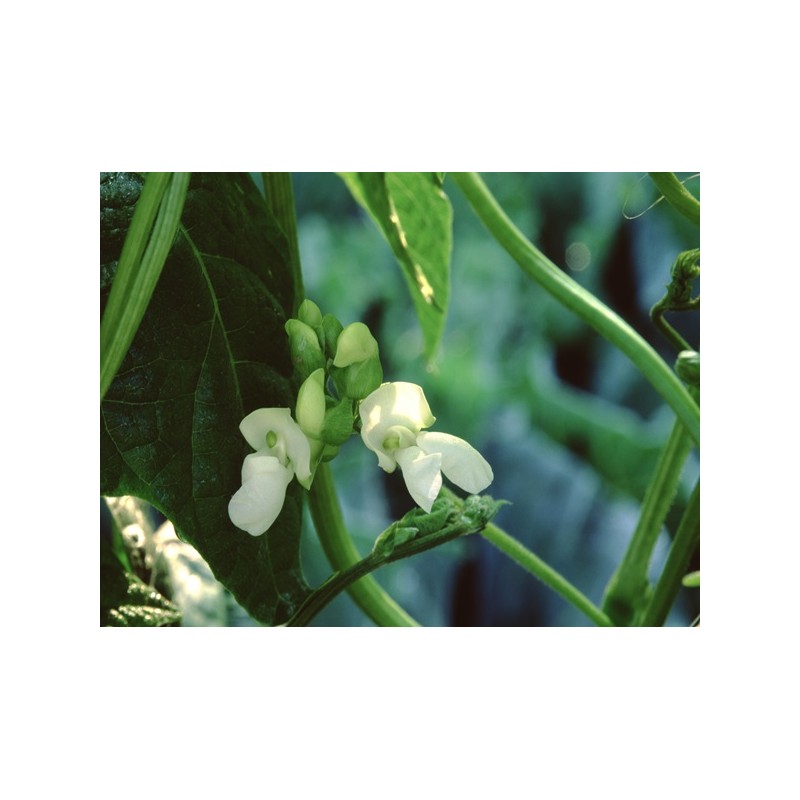
Kentucky Wonder Pole Bean is a legendary American heirloom that has been a mainstay in backyard gardens since the mid-1800s. Itβs famous for being a "triple-threat" beanβyou can enjoy it as a snap bean, a shell bean, or a dried bean. Originally known as "Old Homestead," this variety has been the most popular climbing bean in America for generations. At The Seed Guy, we recommend this heirloom to anyone who wants that authentic, "old-fashioned" bean flavor that modern grocery store varieties simply cannot match. Because it is a pole bean, it grows vertically, making it a fantastic space-saver for smaller garden plots.
The pods are best harvested when they are young and tender for snap beans, but they can also be left to mature for delicious shell or soup beans. Any vegetable that can go from seed to table while providing both a stunning visual and incredible flavor is a gardener's dream, and Kentucky Wonder is a heavy-producing champion. It is naturally resistant to bean rust and thrives in a wide range of climates, ensuring a dependable harvest from mid-summer all the way until the first frost.
Why choose heirloom Kentucky Wonder Pole Bean Seeds
β
100% Non-GMO
β
Open-pollinated
β
The gold standard for flavor and productivity since the 1800s
β
Space-saving vertical growth (requires a trellis or pole)
β
Triple-use: excellent as a snap, shell, or dried bean
β
High in fiber, protein, and essential vitamins
β
Naturally resistant to common bean rust
β
Extended harvest season compared to bush varieties
Quick Growing Specifications:
Hardiness Zone: 3-10
Days to Maturity: 65-70 Days
Planting Depth: 1" Deep
Plant Spacing: 3-4" Apart
Germination: 7-10 Days
Kentucky Wonder Pole Bean Planting Instructions:
1. Timing: Beans are heat-lovers. Wait until the soil is warm and all danger of frost has passed before planting.
2. Sowing: Sow seeds 1 inch deep directly into the garden. Since these are pole beans, ensure your trellis, teepee, or fence is in place at the time of planting to avoid disturbing the roots later.
3. Care: Beans do not require heavy fertilizing as they "fix" their own nitrogen in the soil. However, they do need consistent moisture, especially while the plants are flowering and the pods are developing.
4. Harvesting: For the best snap beans, harvest the pods when they are about 6-7 inches long and before the seeds inside begin to bulge. Picking frequently encourages the plant to keep producing new pods.
5. Pests & Disease: Watch for bean beetles. Keeping the foliage dry by watering at the base of the plant will help prevent most fungal issue
Specific References